History of art and culture
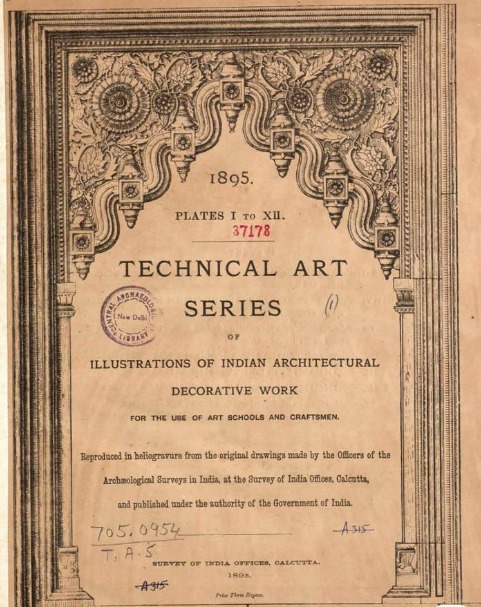
The history of art and culture spans thousands of years, reflecting human expression, beliefs, and societal evolution. Early art, like cave paintings (c. 40,000 BCE), served ritualistic or communicative purposes. Ancient civilizations (Egypt, Mesopotamia, Greece, Rome) developed distinct styles in sculpture, architecture, and painting, often tied to religion and power. The Middle Ages saw religious art dominate, with Byzantine mosaics and Gothic cathedrals. The Renaissance (14th–17th centuries) revived classical ideals, emphasizing humanism and realism, led by artists like Michelangelo and Leonardo da Vinci. The Baroque, Romantic, and Modern eras introduced dynamic, emotional, and experimental styles, while the 20th century brought abstract, surrealist, and pop art movements. Culture, encompassing music, dance, literature, and traditions, evolved alongside, shaped by regional practices and global exchanges. Today, art and culture blend traditional and digital forms, reflecting diverse, interconnected societies.